
ROMANO FOREST
SECURING THE CHIQUITANO-PANTANAL CORRIDOR
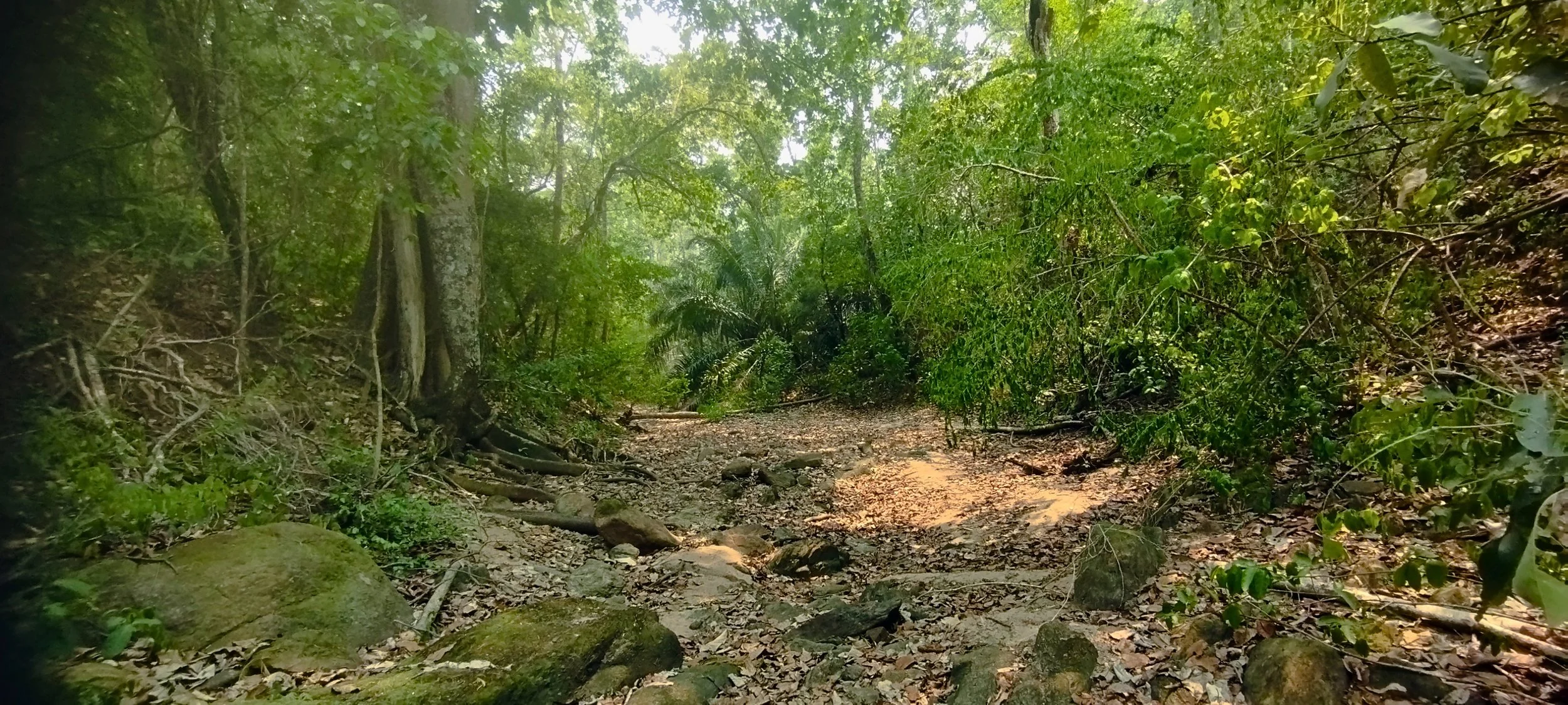
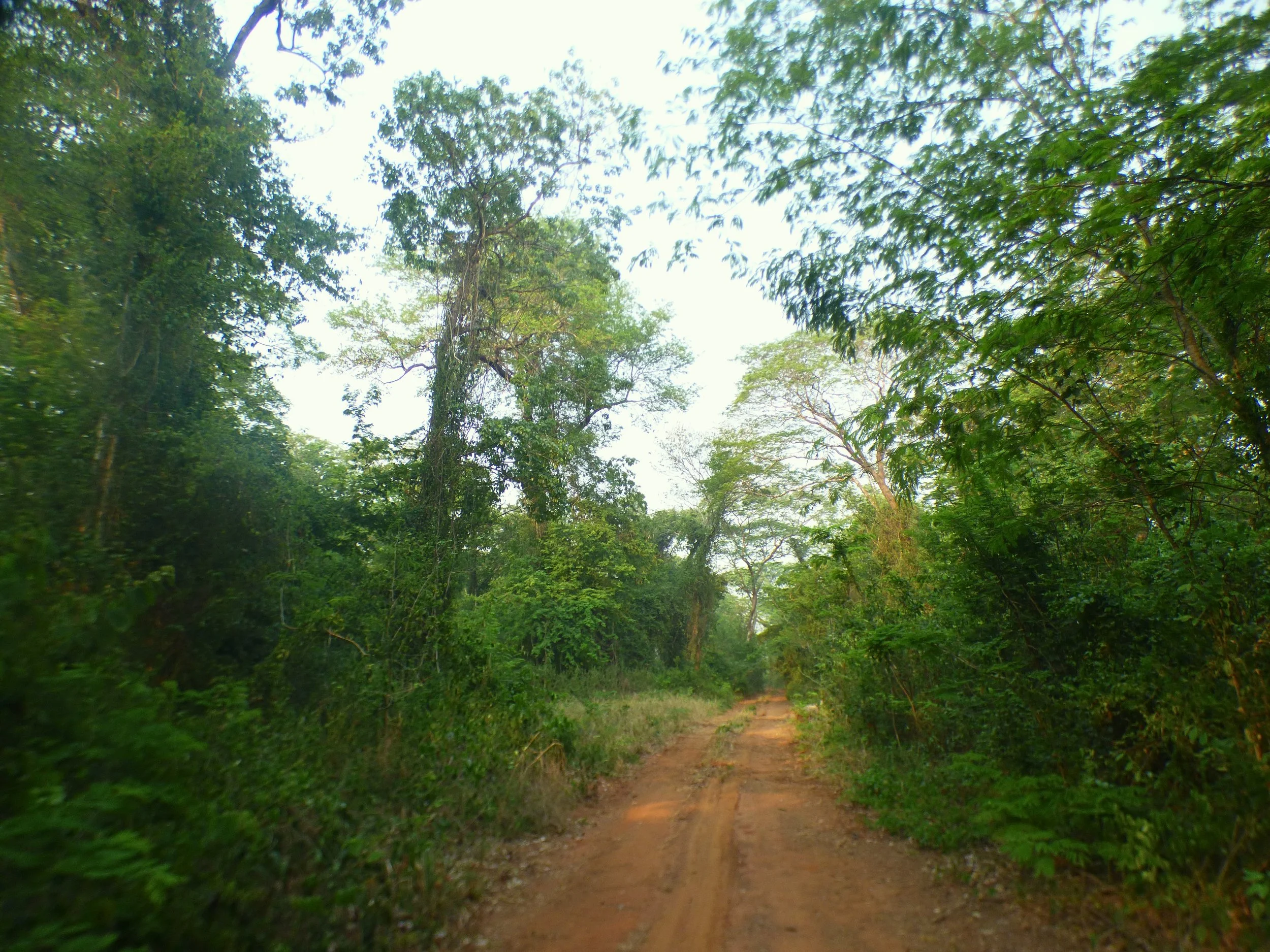
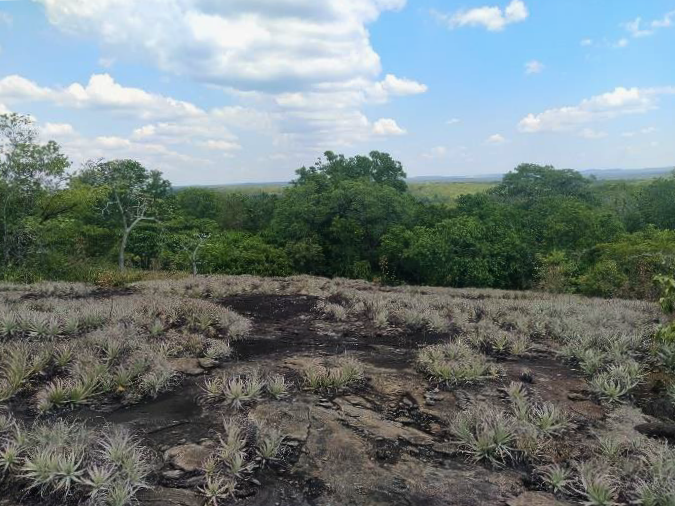
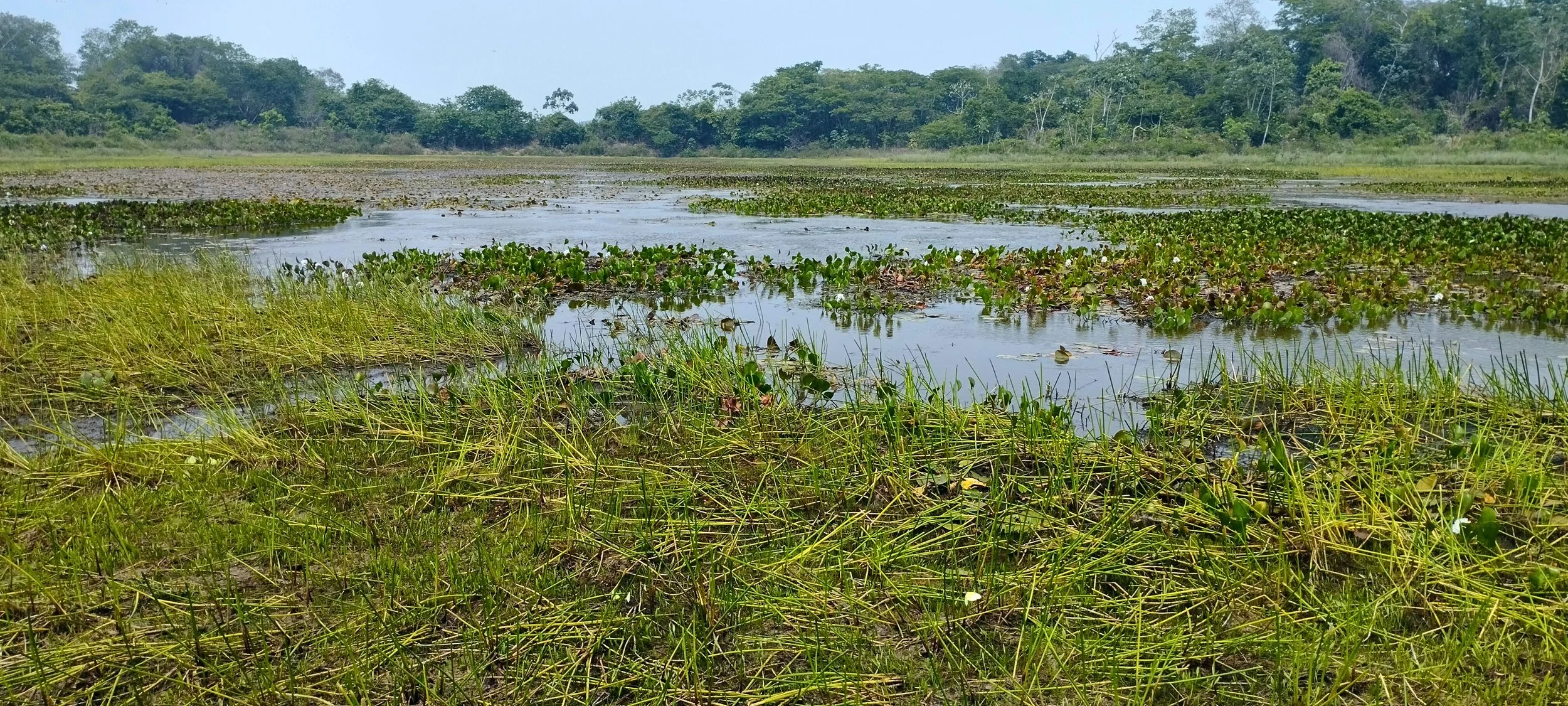
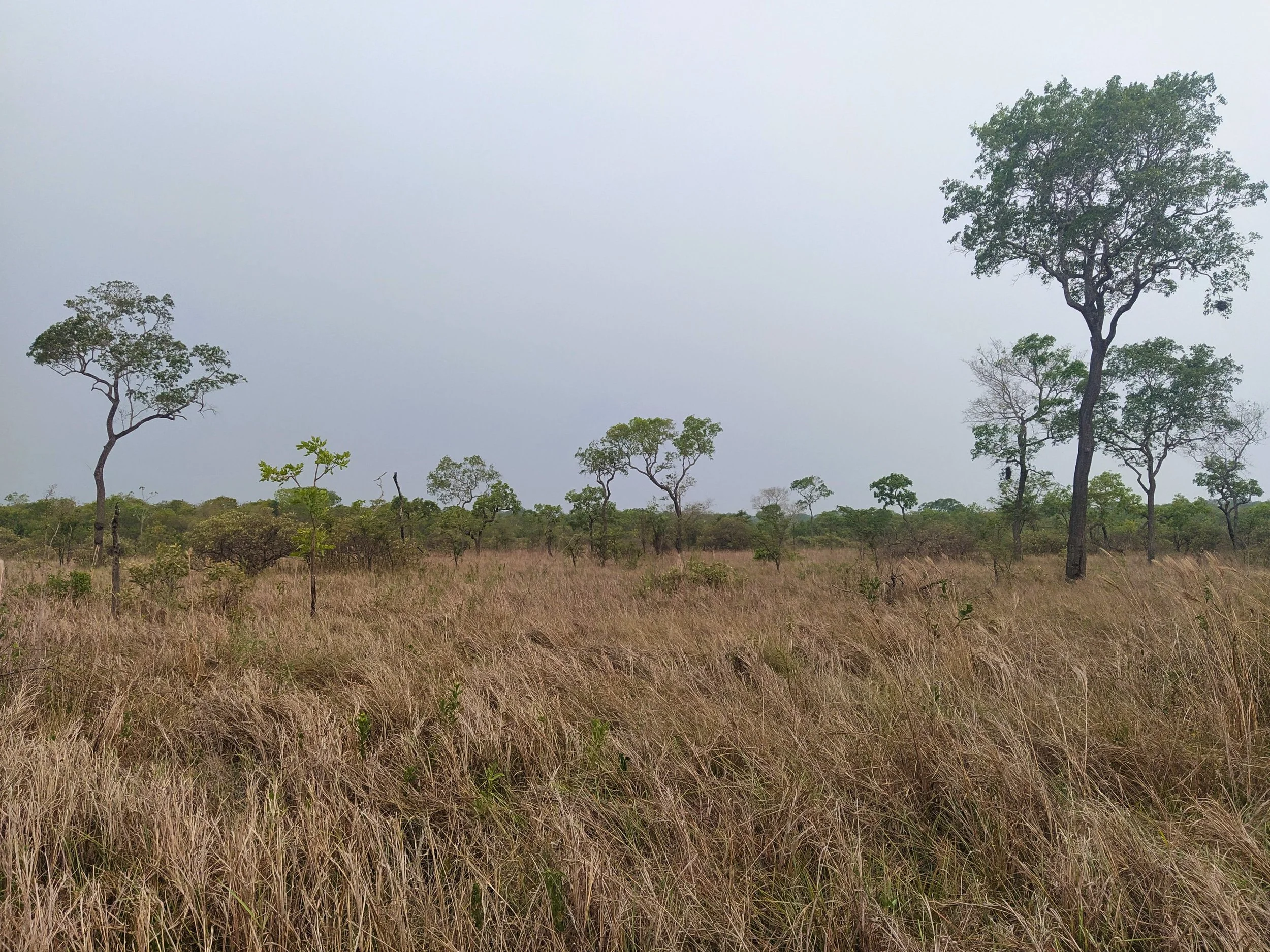
Stretching across eastern Bolivia and into western Brazil, the Chiquitano Dry Forest is one of South America’s most important tropical dry forest ecosystems. Covering more than 20 million hectares, it supports extraordinary biodiversity, helps regulate water resources and climate, and sustains Indigenous Peoples and local communities.
Romano Forest, a part of this important ecosystem, covers a contiguous area of 20,807 hectares as part of a 2024 expansion to the south-central San Rafael Municipal Protected Area (362,809 hectares in total) in Bolivia.
The project will strengthen the protection of the Romano Forest within Bolivia’s San Rafael Municipal Protected Area, safeguarding biodiversity and maintaining the Chiquitano–Pantanal ecological corridor. Working with local communities and authorities, FCF Grantees PROMETA and FCBC will improve protected-area management, prevent fires and illegal land occupation, monitor biodiversity, and promote sustainable livelihoods and long-term conservation financing.
GRANTEE TEAM
PROMETA is a Bolivian non-profit environmental organization founded in 1990, with more than three decades of experience in biodiversity conservation, creation and management of protected areas, sustainable rural development, and strengthening of environmental governance. PROMETA works closely with local non-profit FCBC (Fundación para la Conservación del Bosque Chiquitano), who have more than twenty years of specialized experience in the Chiquitano Dry Forest and associated ecosystems.
BIODIVERSITY AND CONSERVATION VALUES
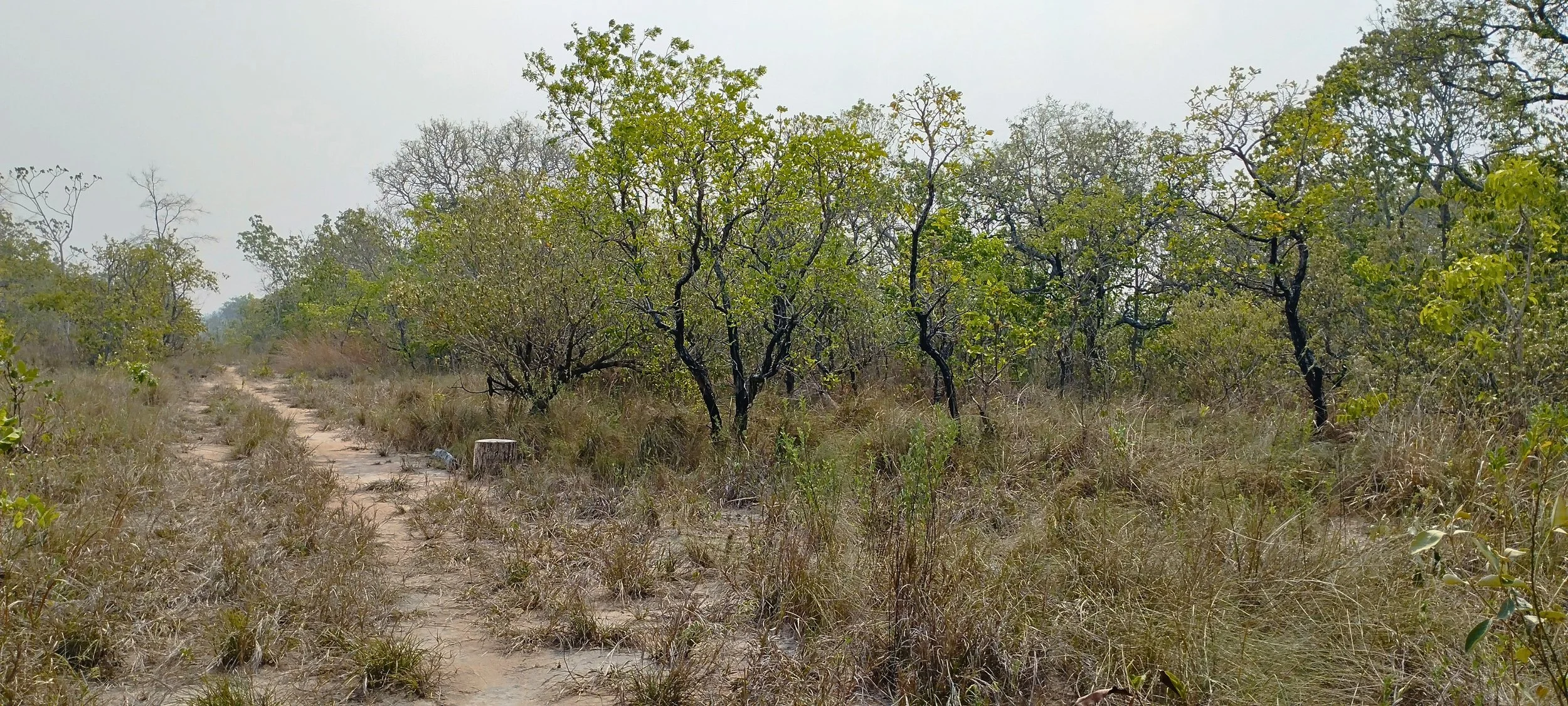
The Chiquitano Dry Forest constitutes one of the largest expanses of tropical dry forest in South America and is home to a high diversity of flora and fauna. Its location between the Amazon, the Cerrado, the Gran Chaco, and the Pantanal ecosystems also gives it strategic value for ecological connectivity, facilitating species movement and maintaining ecological processes at landscape scale. The Chiquitano Dry Forest straddles both Bolivia and Brazil — in Bolivia, it is known as the Chiquitanía.
The Romano Forest (within the former Romano Concession) is part of the natural and cultural landscape of the Chiquitanía, and is surrounded by rural communities and local actors linked to the territory of San Rafael de Velasco.
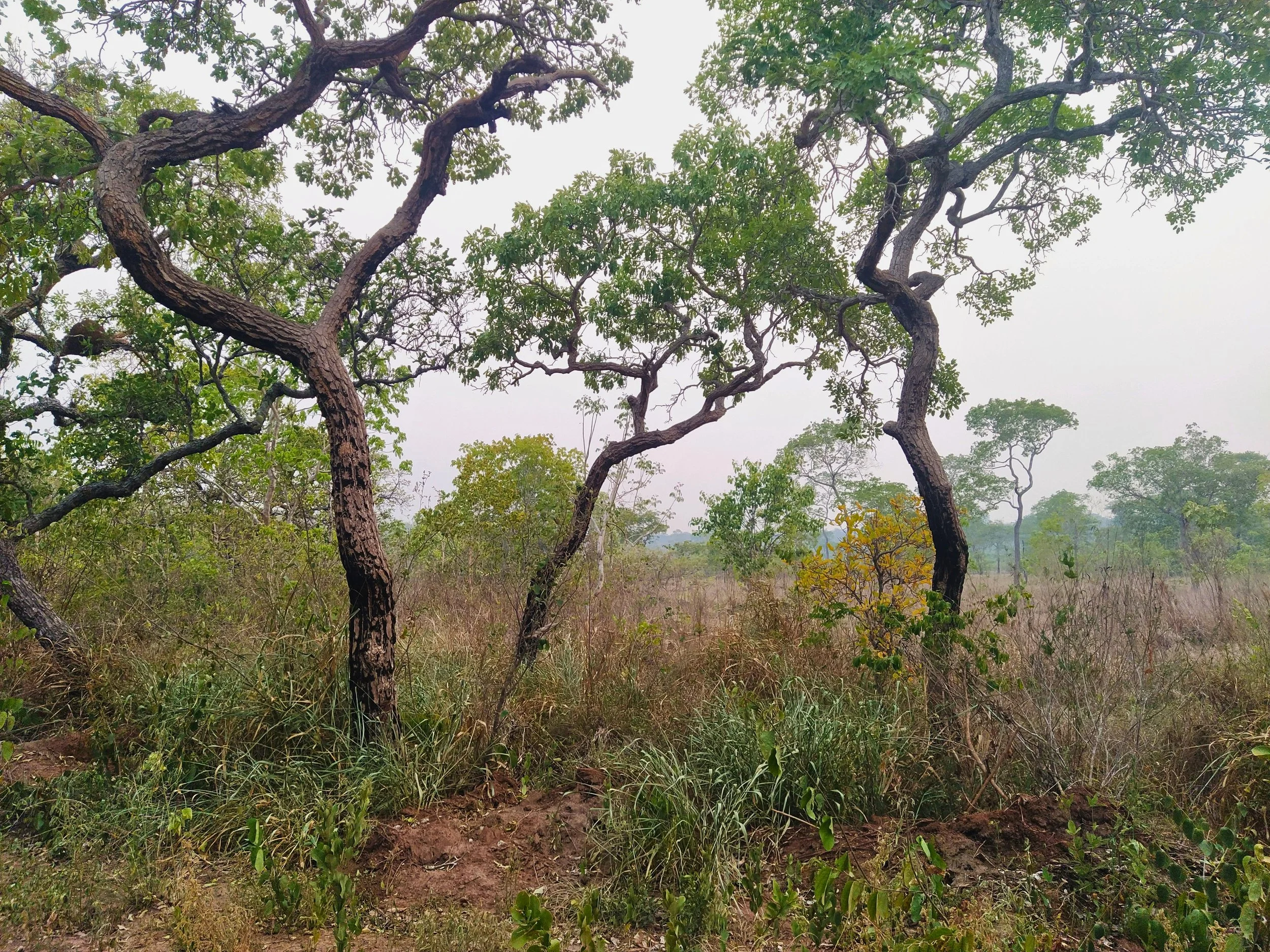
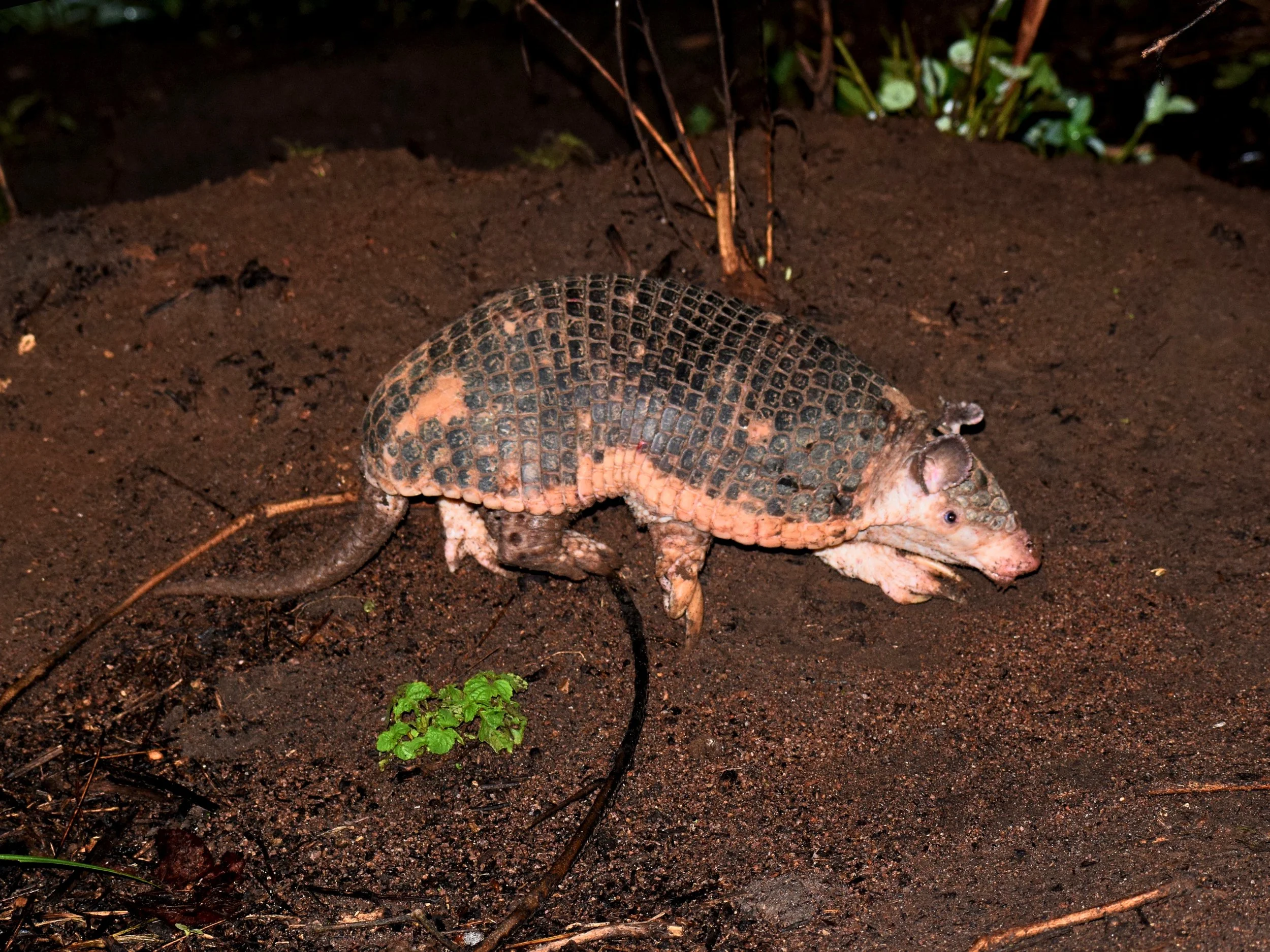
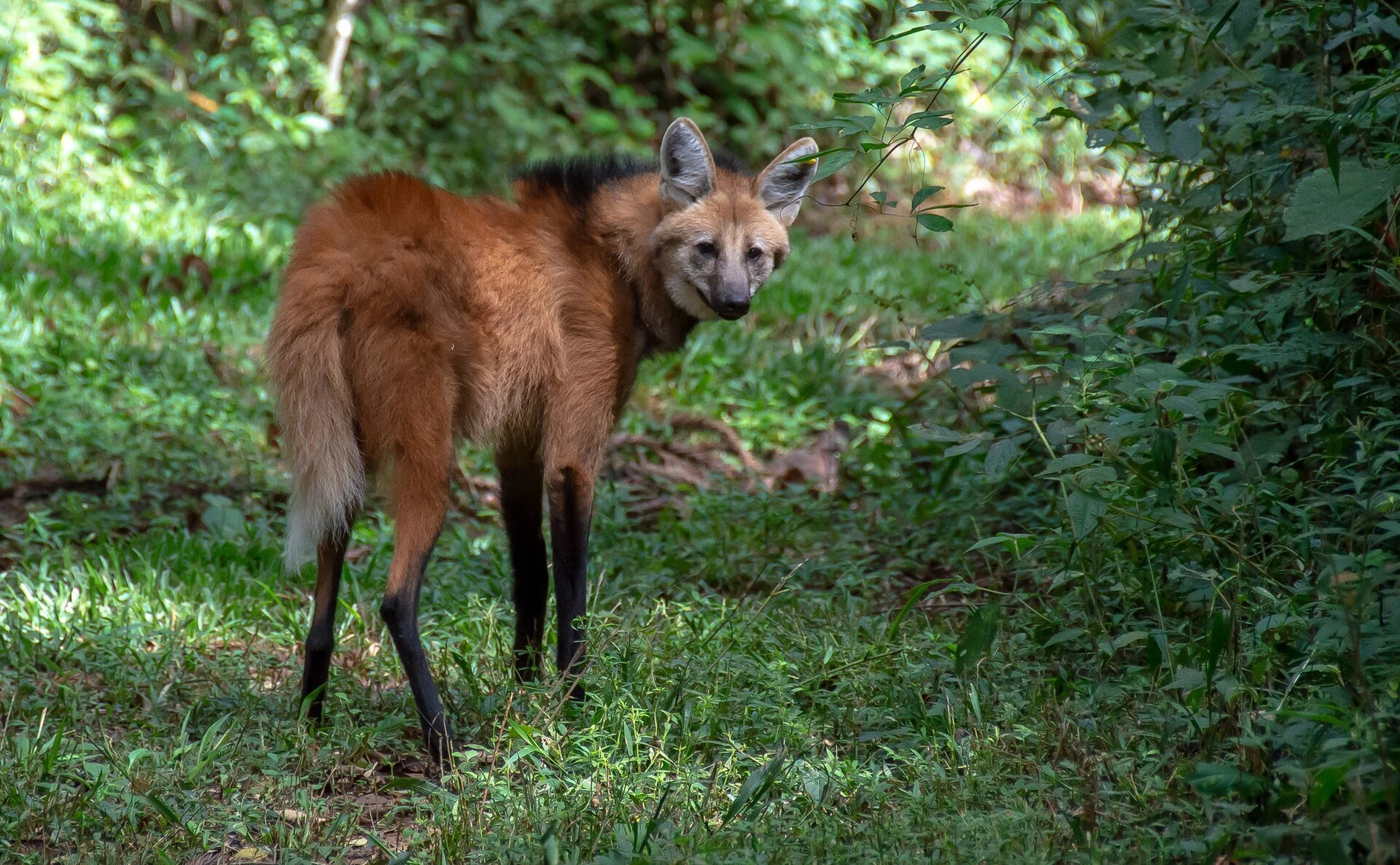
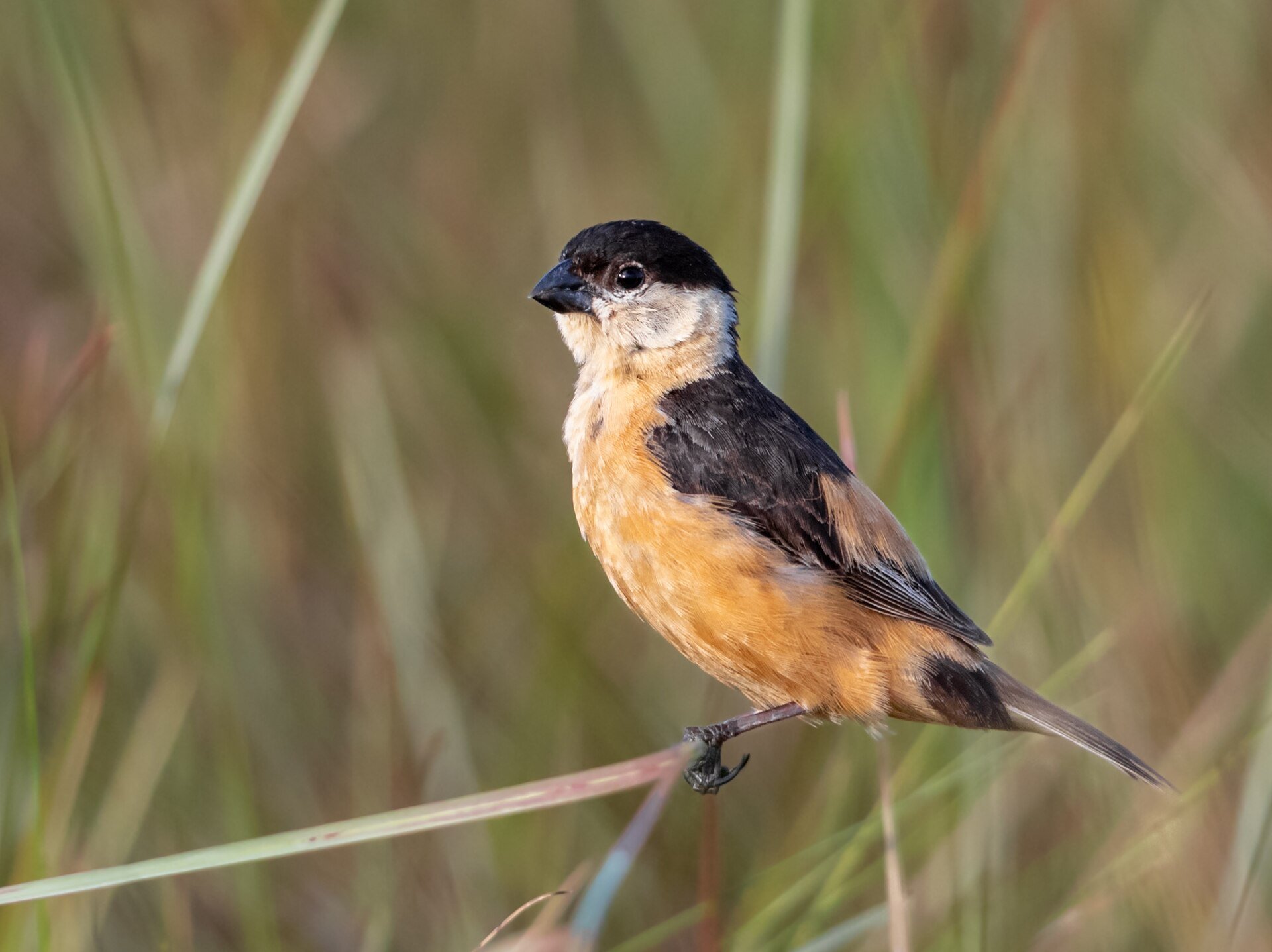
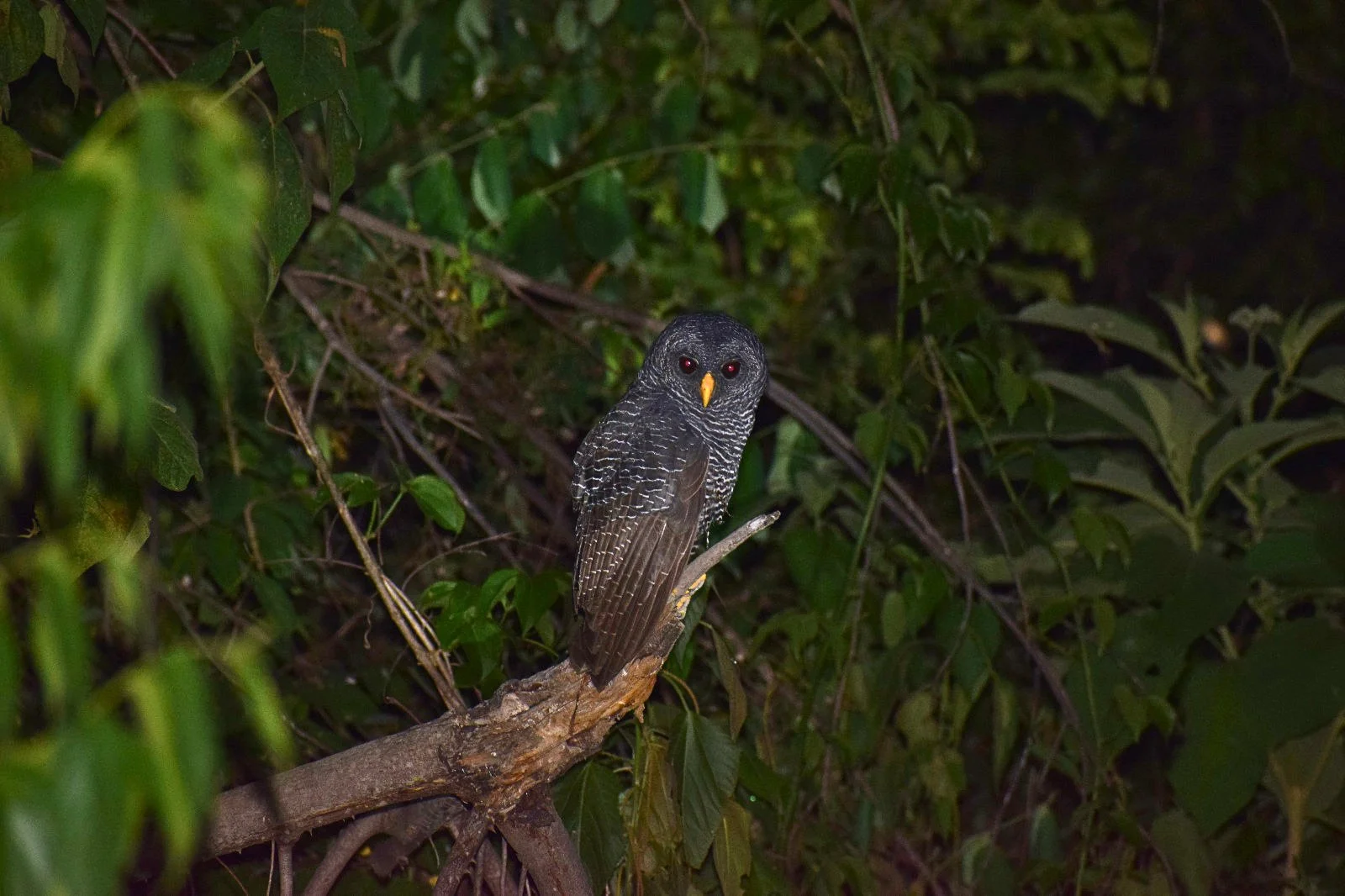
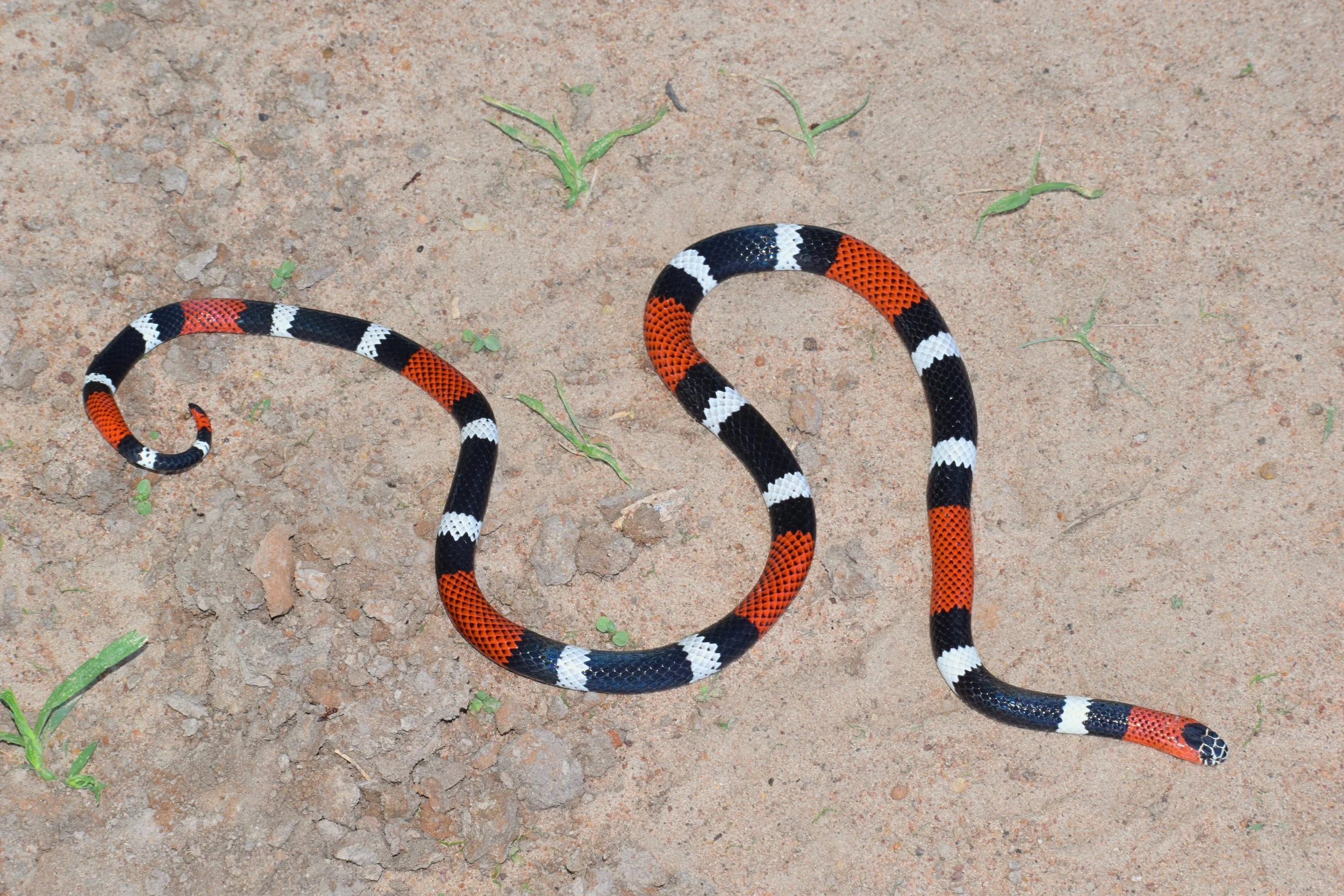
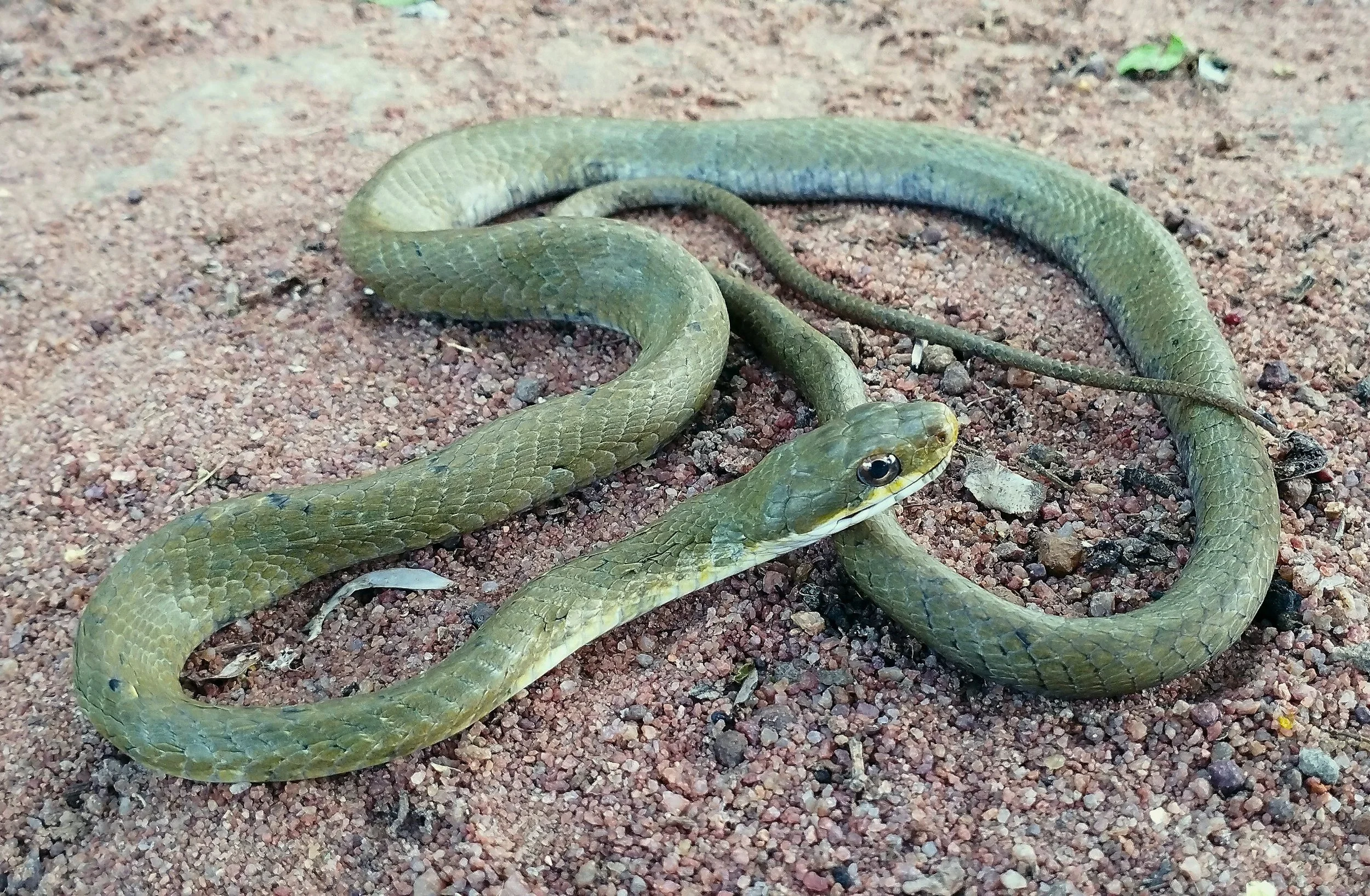
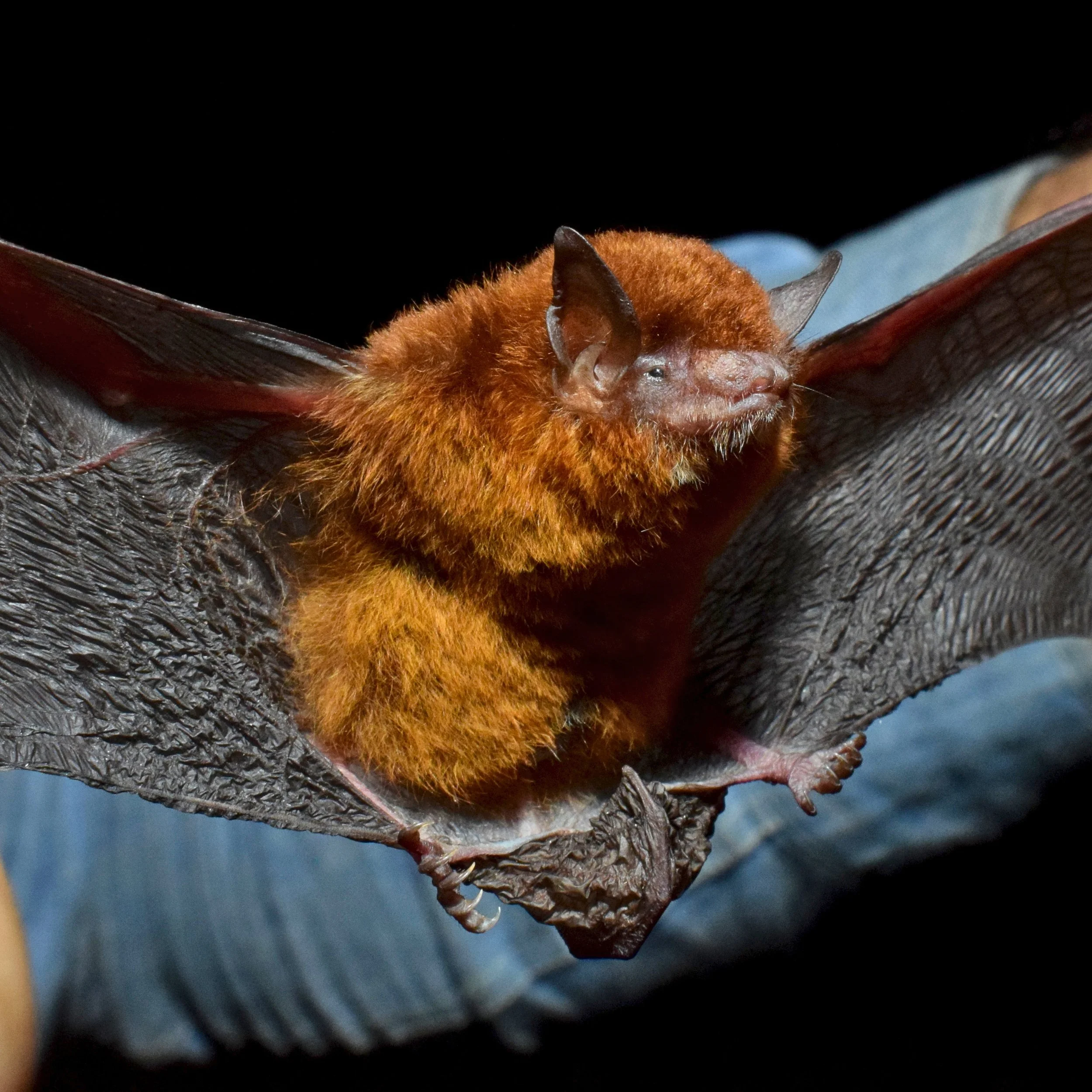
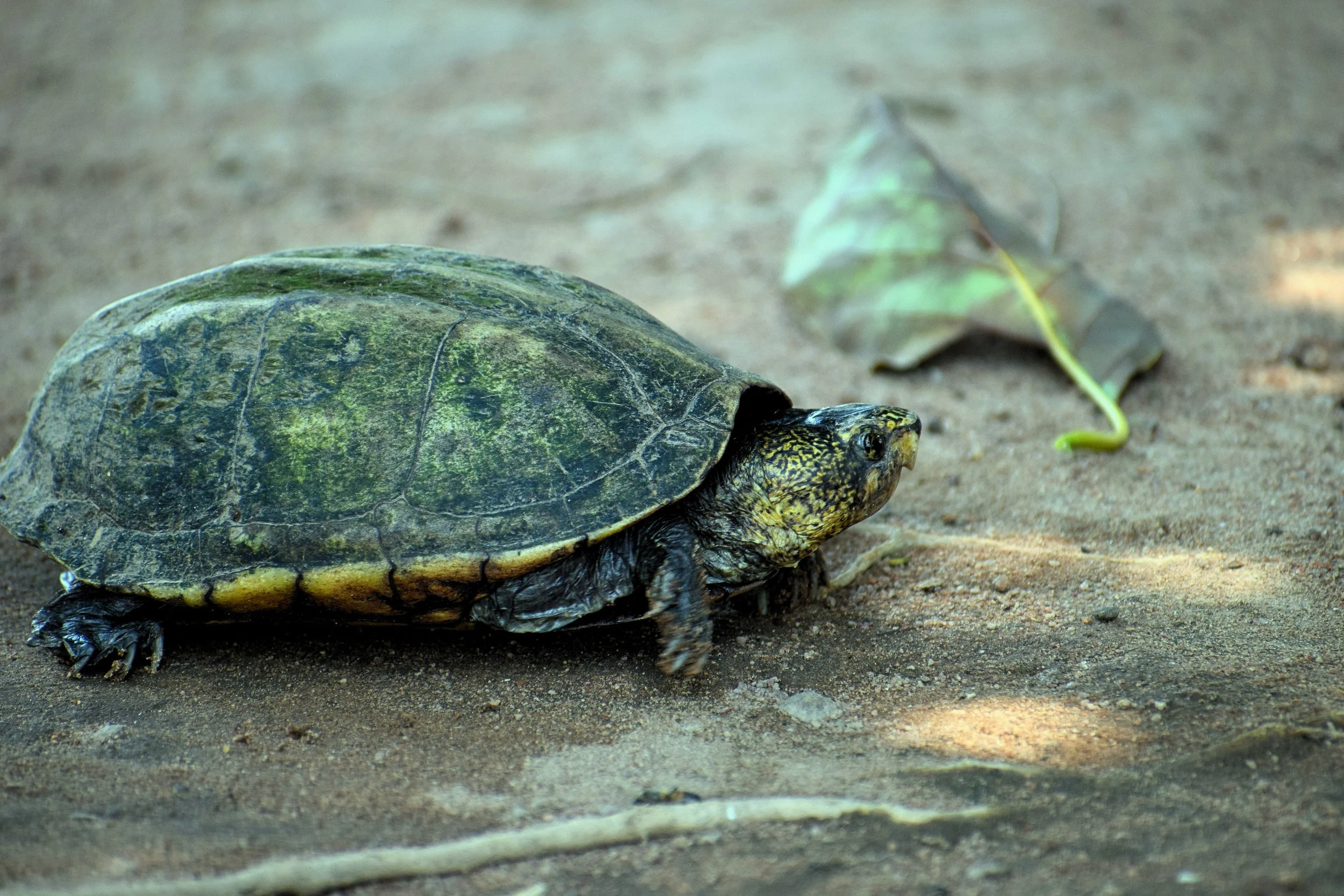
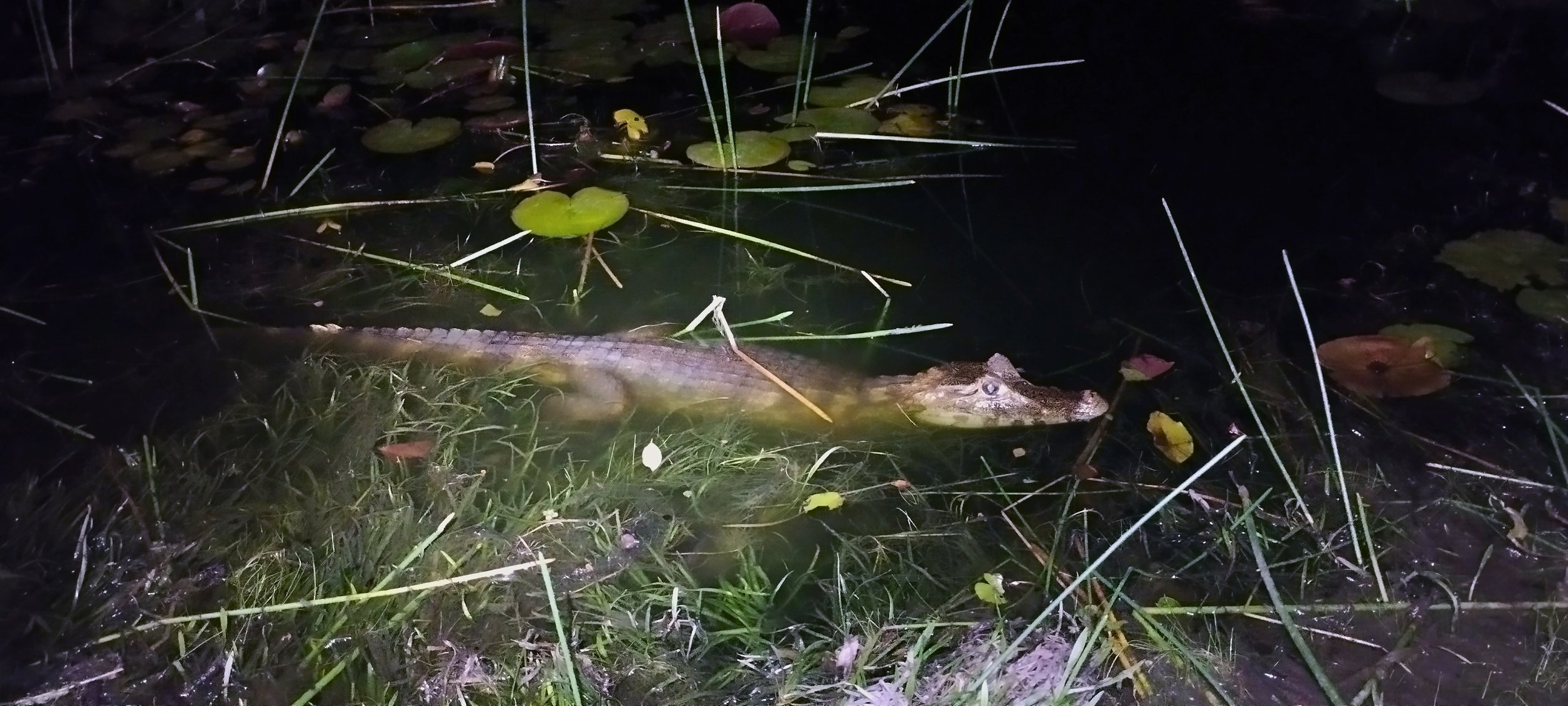
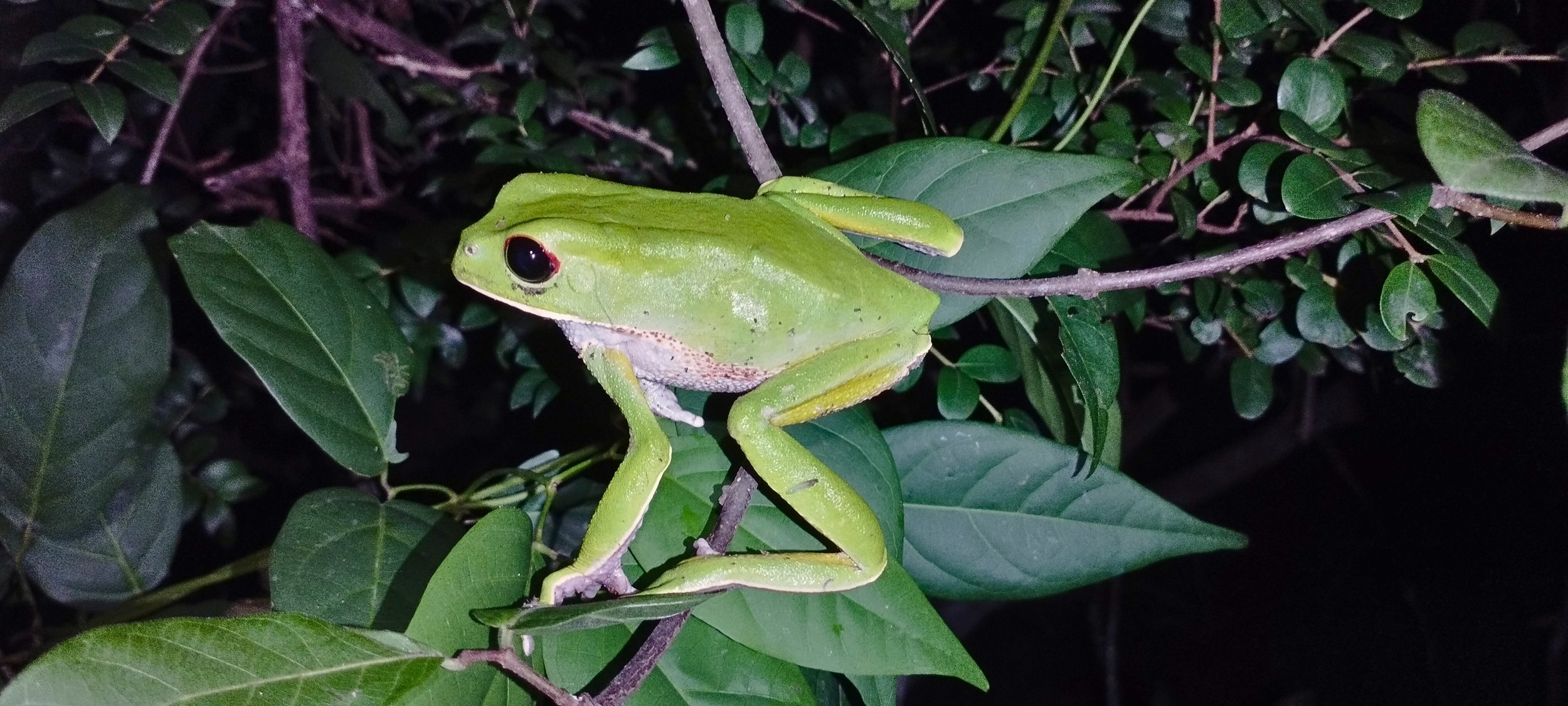
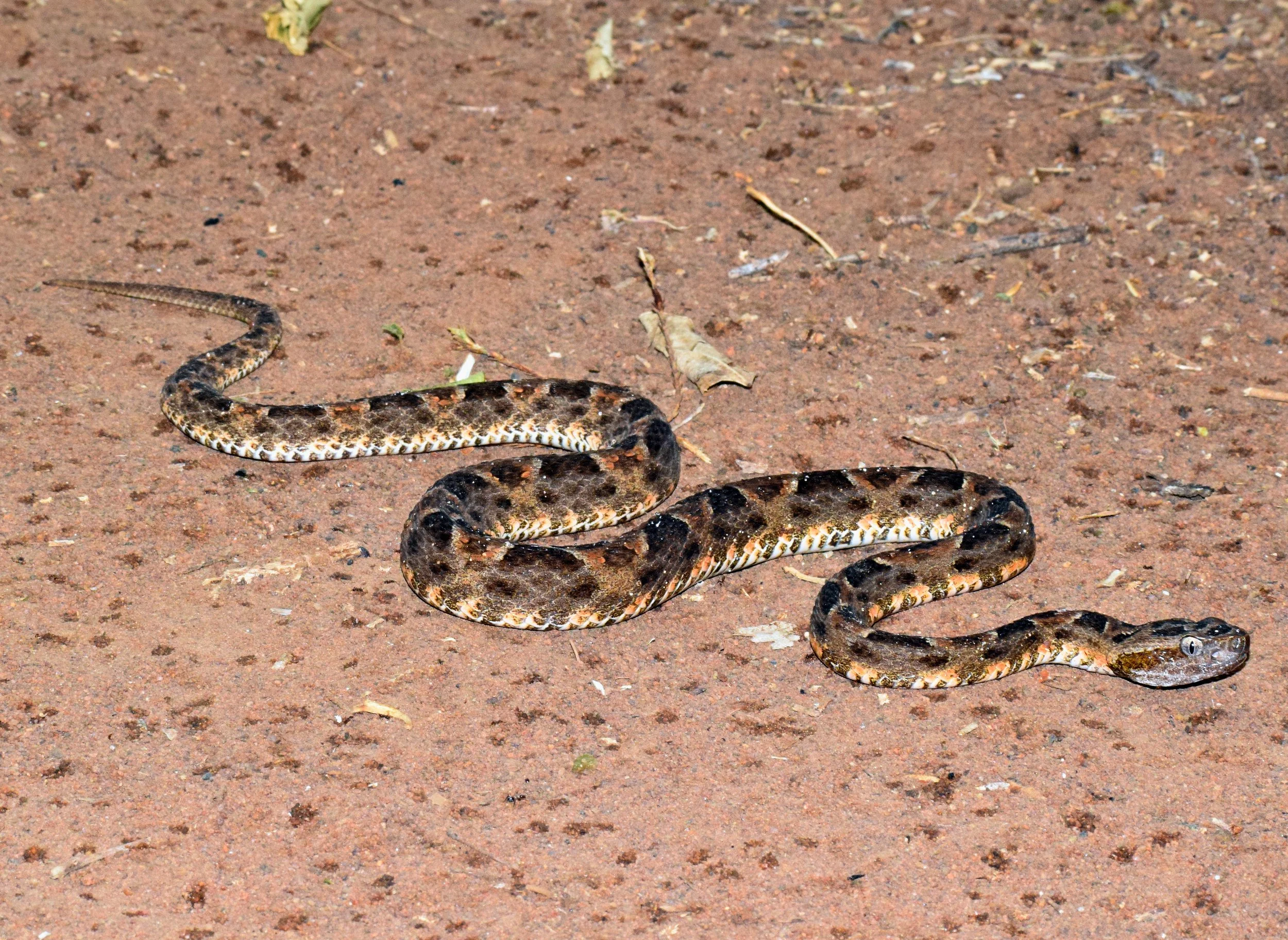
Notable species recorded in the wider San Rafael protected area include the giant armadillo (Priodontes maximus), maned wolf (Chrysocyon brachyurus), jaguar (Panthera onca), and the black-and-tawny seedeater (Sporophila nigrorufa), alongside distinctive native trees such as morado (Machaerium nyctitans) and tajibo Tabebuia spp.). Several of these species are threatened, highlighting the importance of conserving the forest and its habitats.
THREATS
The main threats to biodiversity and the ecological integrity of the proposed area and the connected landscape are the advancement of the agricultural frontier, new settlements, forest fires, illegal timber extraction, and hunting. The Initial Management Plan identifies new settlements as an especially important threat, because they can trigger subsequent processes of road opening, clearing, fires, and greater pressure on wildlife.
In the broader landscape of the Chiquitano Dry Forest, there is extensive deforestation due to the expansion of extensive agriculture and livestock. The expansion of the agricultural frontier, particularly through the enabling of large areas for commercial monocultures such as soy, sunflower, and other crops, generates habitat loss and fragmentation, and increases pressure on the forest blocks that still remain relatively conserved. Logging, slashing, and burning to establish new agricultural areas and pastures constitute, therefore, one of the main drivers of deforestation and degradation of the landscape. This dynamic increases the importance of protecting continuous forest areas such as the Romano Forest and of maintaining its connectivity with other protected areas and forest remnants of the Chiquitanía and the Pantanal.
Forest fires constitute another critical threat and are closely related to burns used for pasture management and land clearing, whose effects intensify during drought periods.
PROJECT ACTIVITIES
FCF is seeking funding for PROMETA and FCBC to implement the following conservation activities in Romano Forest:
1: Strengthen governance of the San Rafael Municipal Protected Area
2: Permanent patrolling, protection and surveillance of the forest
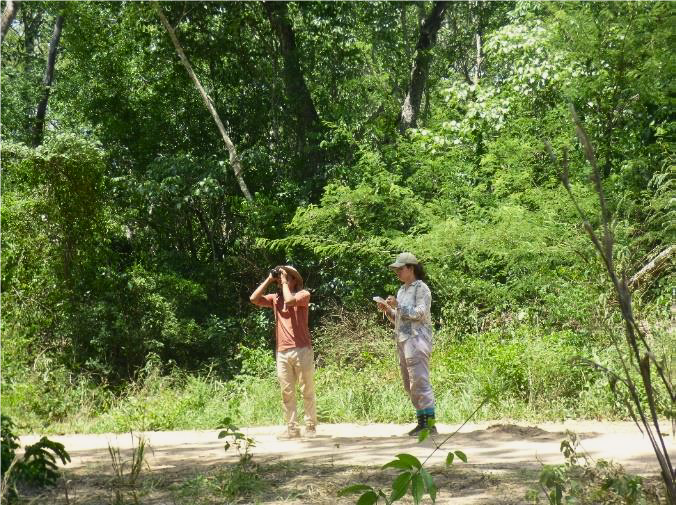
3: Monitoring biodiversity and ecological integrity of the forest
4: Demarcating project boundaries and installing signage and basic infrastructure
5: Implementing an integrated Fire Management programme to prevent and respond quickly to fires
6: Prevent forest encroachment and land-use change
7: Communication and environmental education to promote support for the conservation of Romano Forest in the wider landscape
8: Implement sustainable economic alternative livelihoods with communities and local stakeholders
9: Develop and implement financial mechanisms for the sustainability of the San Rafael Municipal Protected Area
QUICK STATS
Area: 20,807 ha
Threatened Wildlife: Bare-faced curassow (Crax fasciolata) - VU, giant armadillo (Priodontes maximus) - VU, giant anteater (Myrmecophaga tridactyla) - VU, lowland tapir (Tapirus terrestris) - VU, and white-lipped peccary (Tayassu pecari) - VU.
Grantees: PROMETA Tarija and Fundación para la Conservación del Bosque Chiquitano (FCBC)
Funding status: Unfunded
Commodities in this landscape: Soy, sunflower, cattle