
bentarum biodiversity corridor
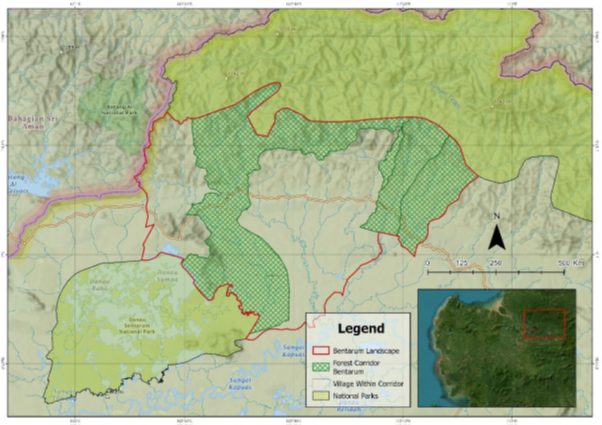
BENTARUM BIODIVERSITY CORRIDOR IS LOCATED IN KAPUAS HULU DISTRICT, WEST KALIMANTAN PROVINCE, INDONESIA
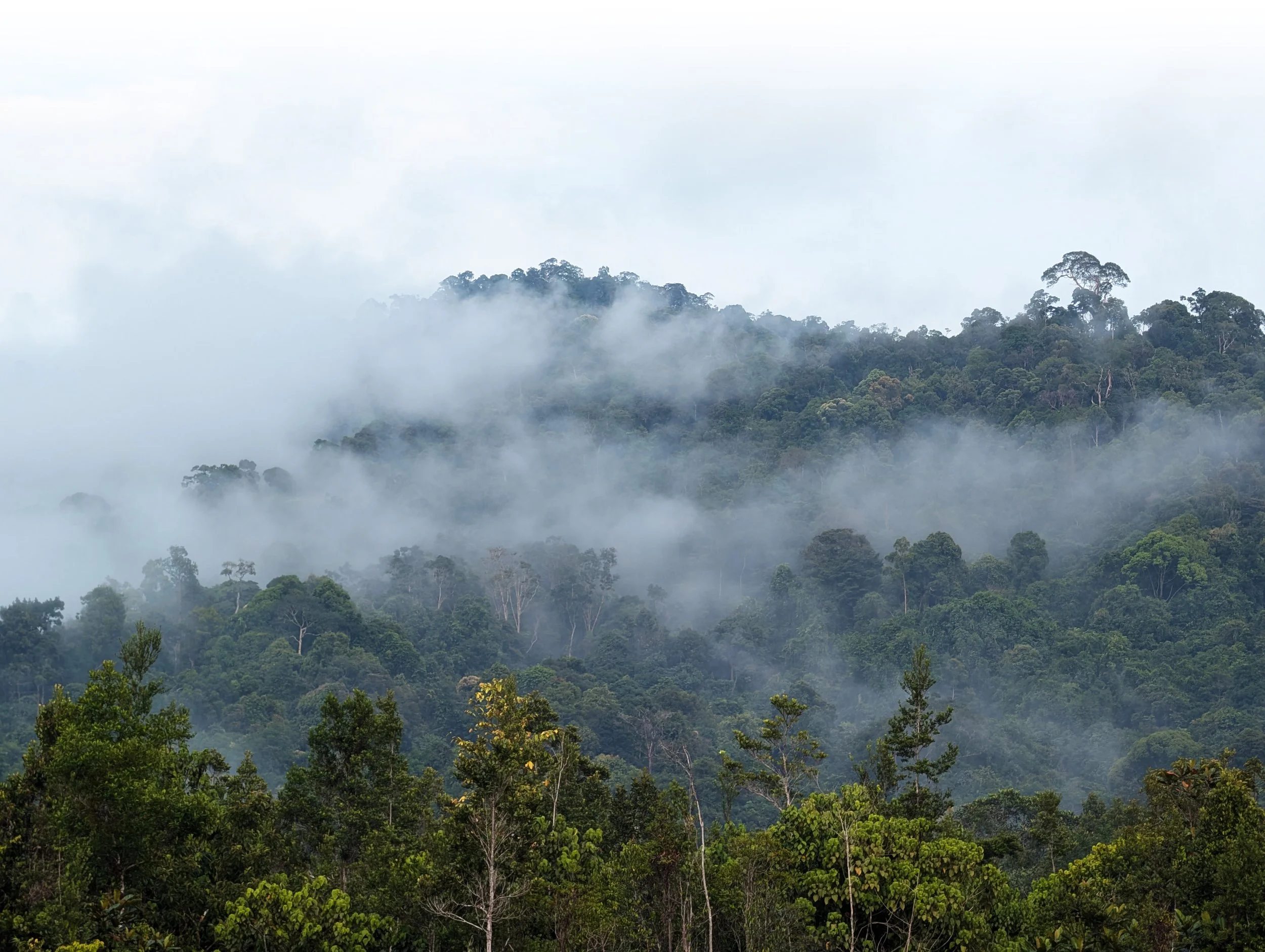
The Bentarum landscape of Kapuas Hulu, West Kalimantan, Indonesia encompasses the mountainous terrain of Betung Kerihun National Park in the north and the seasonal lake ecosystem of Danau Sentarum National Park in the south. In between is a 315,000-hectare unprotected forested corridor, home to 14,295 people, predominantly Indigenous Dayak Iban and Dayak Tamanbaloh.
Bentarum Biodiversity Corridor is part of the “Heart of Borneo”, a large tract of rainforest in the center of Borneo Island which is under threat from expansion for palm oil, timber plantations, and mining. Like many forest landscapes in West Kalimantan, Bentarum is ecologically connected but institutionally fragmented. Despite its ecological importance, significant portions of Bentarum remain without formal protection. Furthermore, a large part of the landscape has been converted into concessions, with a mixture of oil palm and restoration ecosystem permits, resulting in varying degrees of forest conversion and degradation.
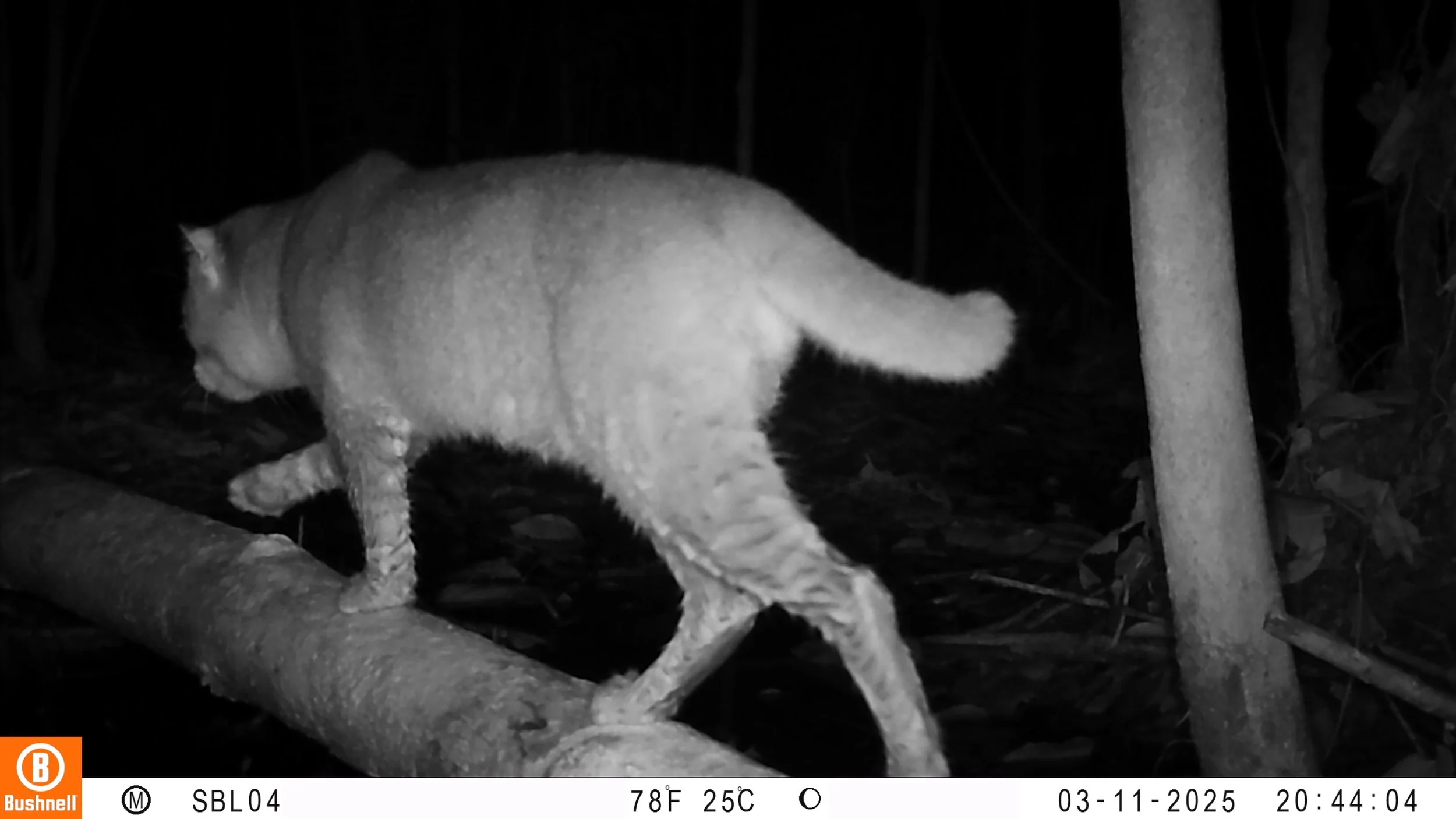
Vulnerable species present:
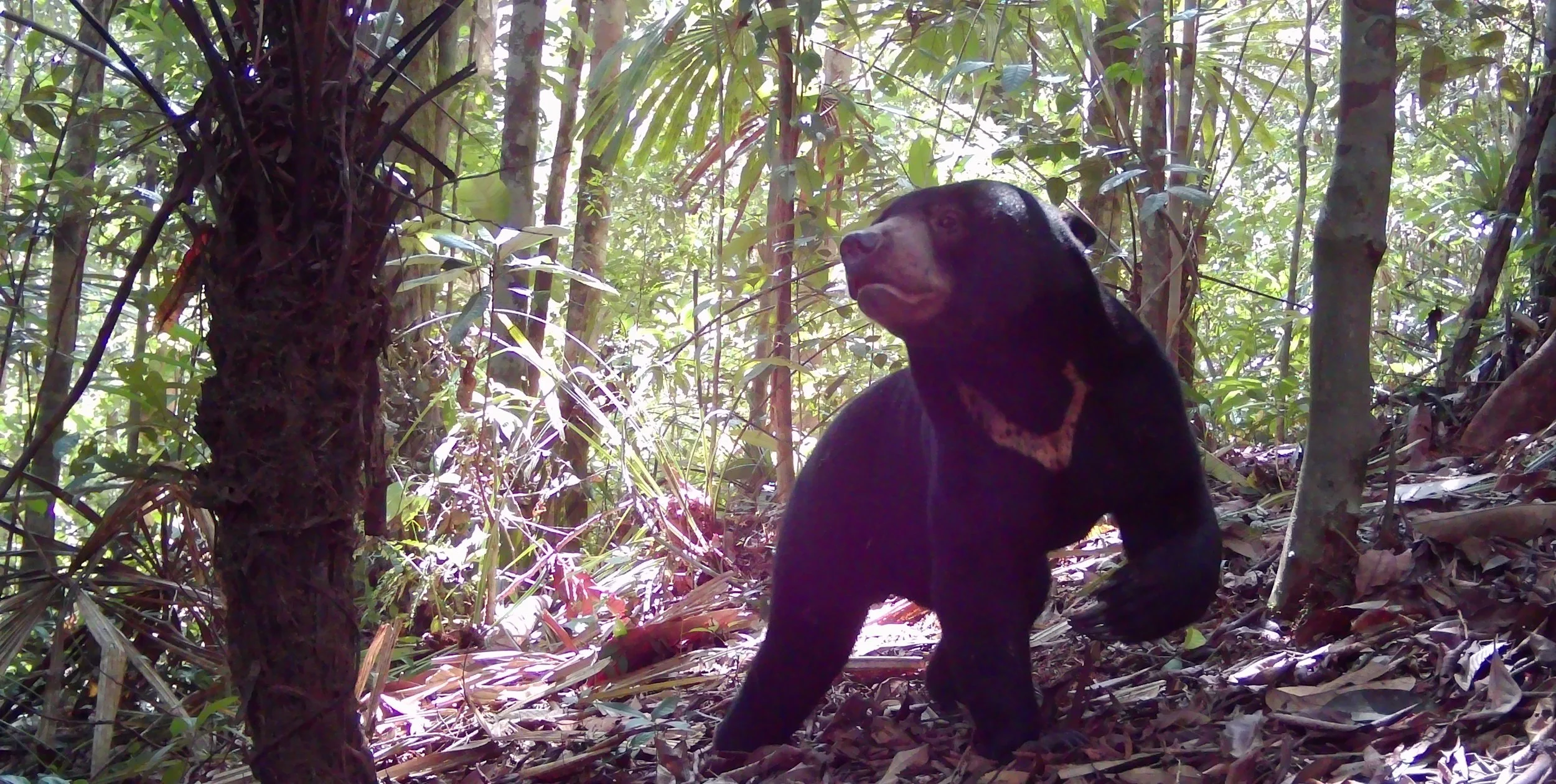
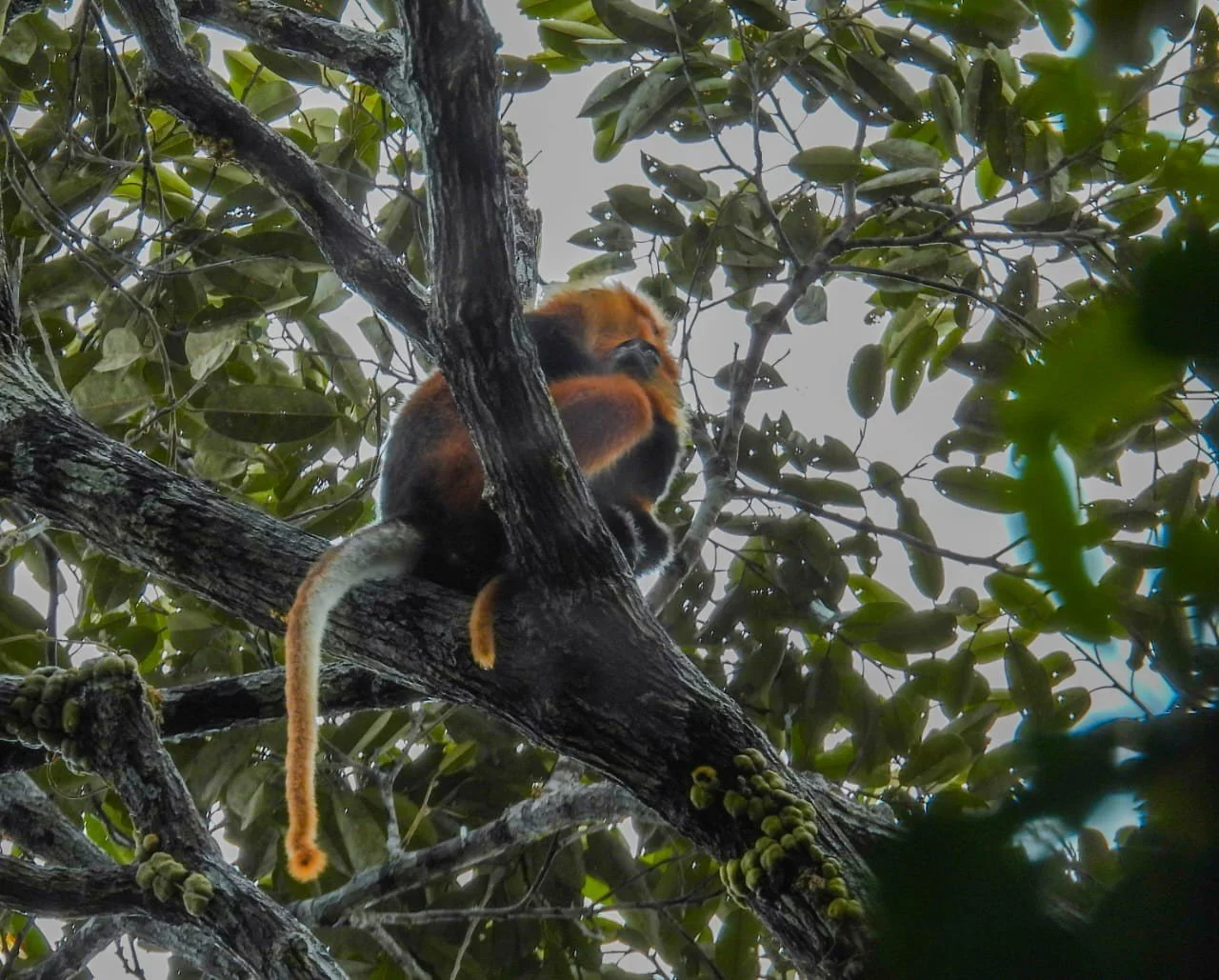
Black Hornbill (Anthracoceros malayanus), Rhinoceros Hornbill (Buceros rhinoceros), Sun Bear (Helarctos malayanus), Long-tailed Parakeet (Psittacula longicauda), Hook-billed bulbul (Setornis criniger), Sambar (Cervus unicolor), Short-toed Coucal (Centropus rectunguis), Wreathed Hornbill (Rhyticeros undulatus), Great Argus (Argusianus argus), Sunda Clouded Leopard (Neofelis diardi), Bornean Ground-cuckoo (Carpococcyx radiatus), Bornean Crested Fireback (Lophura ignita), Black Partridge (Melanoperdix niger), Crested Partridge (Rollulus rouloul), Bornean Tersier (Tarsius bancanus borneanus), Bonaparte's nightjar/Sundanightjar (Caprimulgus concretus), Great Slaty Woodpecker (Mulleripicus pulverulentus), and Red Langur (Presbytis rubicunda).
Grantee Team
Sangga Bumi Lestari (SBL) is an Indonesian non-profit organisation based in West Kalimantan. SBL helps rural communities and land-use stakeholders conserve fragmented forest habitats and advance sustainable development. SBL establishes multi-stakeholder management agreements and builds the capacity of rural people to protect forests and develop their livelihoods at the same time, helping to demonstrate that biodiversity-rich landscapes do not need to be cleared of their forests to support economic development.
FCF is supporting SBL to develop management plans and conservation strategies for four community-managed forests with Hutan Desa social forestry title in the villages of Sungai Uluk Palin, Banua Tanga, Lauk, and Sungai Ajung. This will increase the protection of these forests and facilitate their integration into landscape-wide sustainable development strategies. SBL is advancing Customary Forest (Hutan Adat) status covering over 100,000 hectares throughout the landscape, and standardizing forest management through the creation of Protection Zones for conservation and Production Zones, to guide more sustainable development.
Biodiversity and Conservation Values
Bentarum Biodiversity Corridor is part of the Heart of Borneo global biodiversity hotspot. The forests in the four villages in the biodiversity corridor are home to several threatened animal species.
Critically endangered species present in the corridor:
Tricolour Langur (Presbytis chrysomelas spp cruciger), Sunda Pangolin (Manis javanica), Bornean Orangutan (Pongo pygmeus)
Endangered species present:
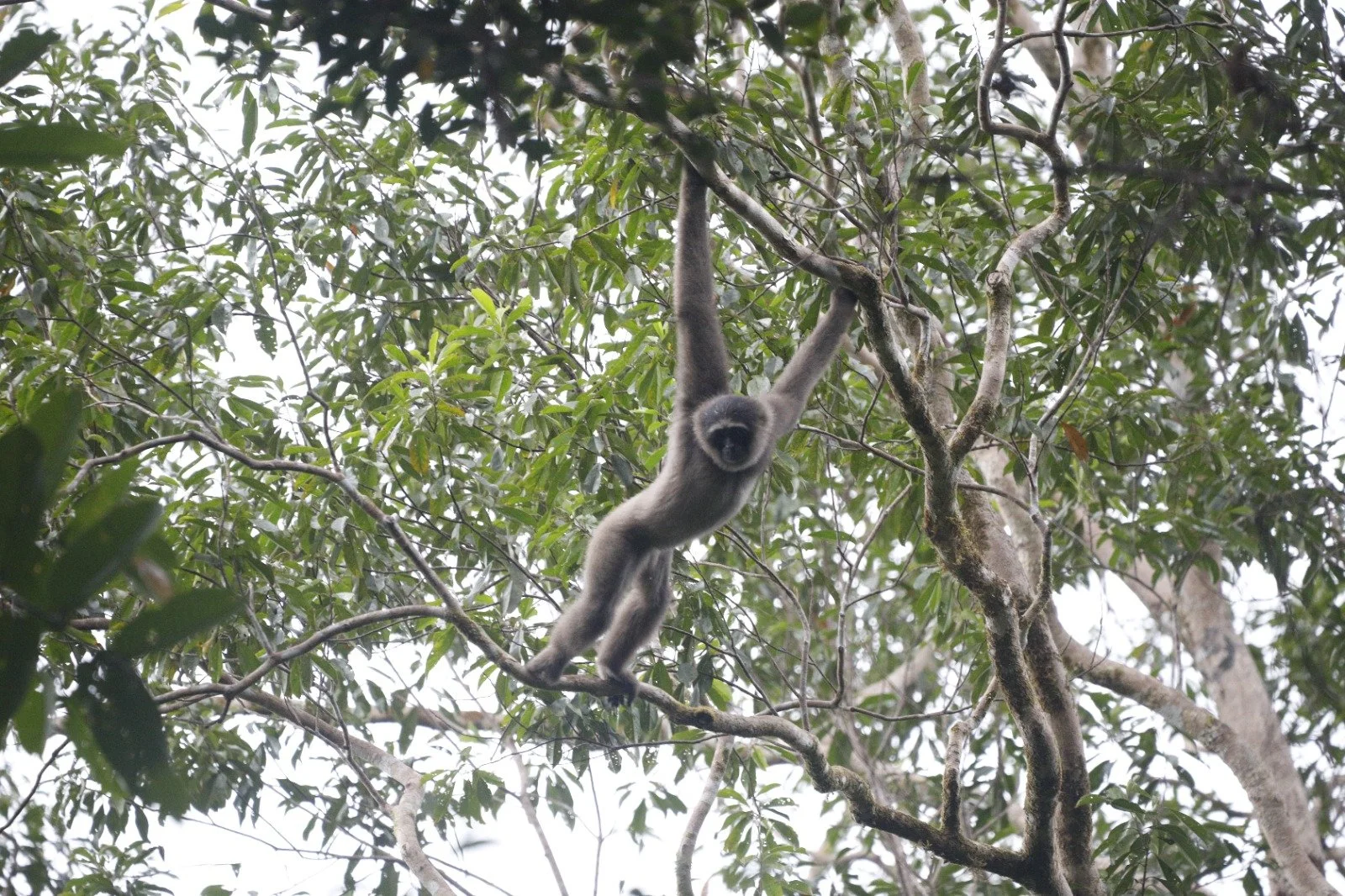
Long-tailed Macaque (Macaca fascicularis), Abbott’s Gibbon (Hylobates muelleri), Pig-tailed Macaque (Macaca nemestrina), Spiny Turtle (Heosemys spinosa), Flat headed Cat (Prionailurus planiceps), Bornean White-beard Gibbon (Hylobates albibarbis), Bornean Crestless Fireback (Lophura pyronota), Abbott's Gray Gibbon (Hylobates abbotti)
Threats
The major threats to biodiversity include:
Wildlife hunting. This is a cultural practice and has been heavily influenced in recent years by the arrival of African Swine Fever and Newcastle disease, which has killed domestic pigs and chickens and driven more hunting of wild animals.
Illegal logging: There is some small-scale illegal logging in all four villagers, although generally outside of the protected areas. Logging is believed to be linked to non-residents and a more professional network.
Small-Scale agriculture: Forest is sometimes converted to rice fields and for staple crops such as corn, eggplant, or cucumber.
Lack of financial security: One of the biggest threats to biodiversity is the lack of financial security and economic development options for villagers. This impedes their ability to deal with conservation challenges.
Project Activities
Ensure long-term management of the four Hutan Desa
Reduce hunting threats within the Hutan Desa
Biodiversity monitoring through conducting:
Targeted bioacoustic surveys of priority areas within each Hutan Desa.
Camera trap surveys, to identify changes in wildlife occupancy
4. Reduce the threat of forest conversion for agriculture and logging within the Hutan Desa through conducting:
Targeted bioacoustic surveys of priority areas within each Hutan Desa.
Camera trap surveys, to identify changes in wildlife occupancy
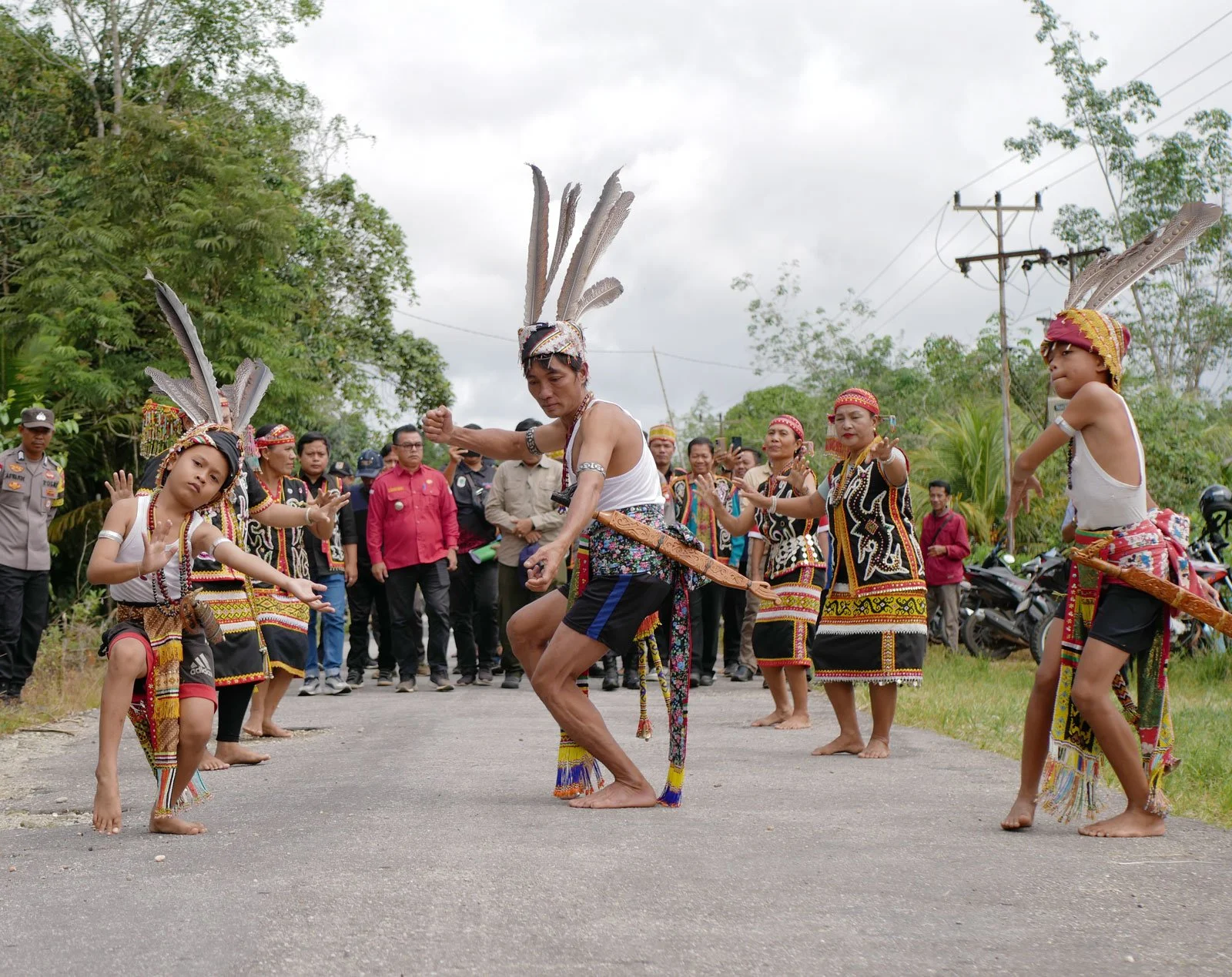
5. Customary and conservation education through “Sangga Stories” approach (preserving Dayak culture through tech-
based documentation of myths and indigenous land practices).
6. Livelihood activities through “Sangga Farming” approach (increasing farmer productivity and accelerating the
adoption of climate-smart farming).
Quick Stats
Area: 16,486 hectares
Threatened Wildlife: Tricolour Langur, Sunda Pangolin, Bornean Orangutan
Grantee: Sangga Bumi Lestari
Funding status: This project is currently seeking funding
Commodities: Palm oil, Timber